

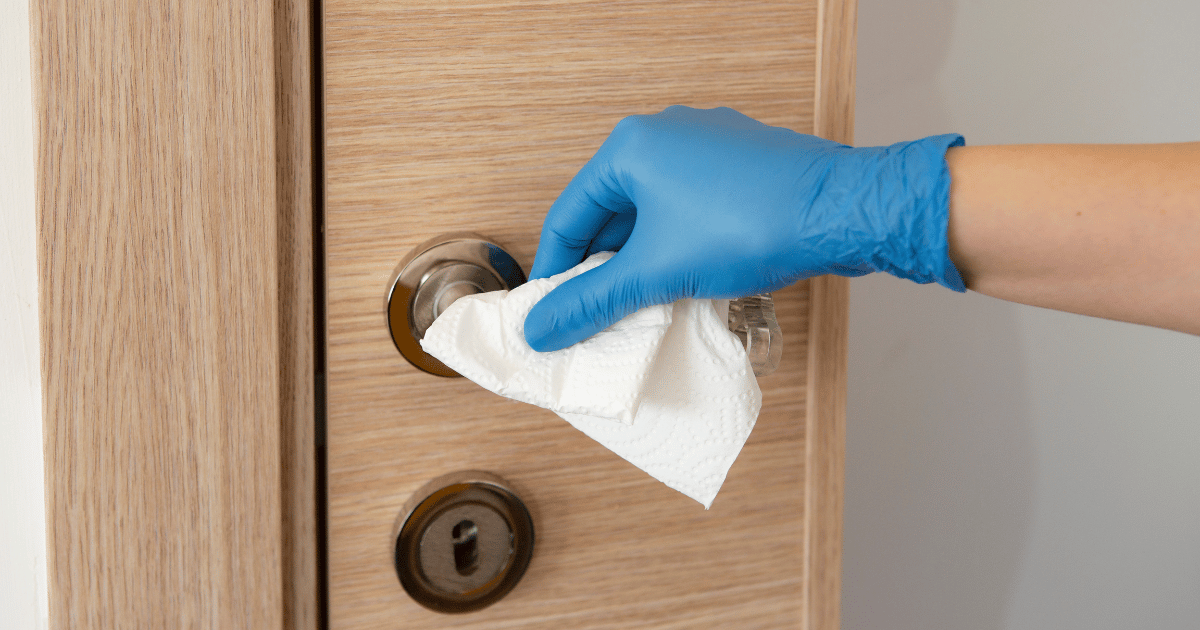
Disinfectant wipes are one of the most convenient tools for keeping surfaces clean — whether you manage a clinical environment, care for a loved one at home, or simply want a reliable way to sanitize high-touch areas. But here’s something many people don’t realize: how you store disinfectant wipes matters just as much as how you use them. Improper storage is one of the most common reasons wipes dry out before their time, lose potency, or fail to deliver the contact time they promise. If you’ve ever pulled a wipe from the container only to find it nearly dry, this guide is for you.
Why Proper Storage Matters for Disinfectant Wipes
Disinfectant wipes are pre-saturated with an active chemical solution — typically isopropyl alcohol, quaternary ammonium compounds, or hydrogen peroxide, depending on the brand. The moment that solution evaporates or degrades, the wipe becomes nothing more than a dry cloth. That means it can no longer achieve the wet contact time required to kill bacteria, viruses, or other pathogens on a surface.
Storage conditions directly affect how long that solution stays viable. Temperature, air exposure, sunlight, and container integrity all play a role. Understanding each one helps you get the most out of every canister or flat-pack you purchase.
What Is the Ideal Temperature for Storing Disinfectant Wipes?
Heat is the biggest enemy of pre-saturated wipes. High temperatures accelerate the evaporation of alcohol-based solutions, which means wipes stored near a furnace, under direct sunlight, or in a hot vehicle will dry out far faster than intended. Freezing temperatures can also be a problem — extreme cold can damage the wipe material itself and degrade the chemical formula.
The safest approach is to store disinfectant wipes at room temperature in a cool, dry area. Think: a supply closet, a cabinet away from windows, or a climate-controlled storage room. Avoid keeping bulk cases in garages, storage sheds, or car trunks where temperatures swing dramatically with the seasons.
Does It Matter Whether the Container Is Open or Unopened?
Yes — significantly. Unopened packages of disinfectant wipes generally have a shelf life of one to two years from the date of manufacture. Once the container is opened, that window shrinks considerably. After opening, wipes are best used within a reasonable period to ensure their disinfecting solution remains at full concentration.
The most important habit once a container is open: always close the lid completely after pulling a wipe. This sounds simple, but leaving a snap-top canister open — even for a few minutes during a cleaning session — lets alcohol evaporate from every wipe in the stack, not just the top one. The same applies to resealable flat-pack pouches. Press out the air and seal fully each time.
How Should You Store an Open Canister or Flat Pack?
- Keep it upright. Storing canisters on their side can cause uneven saturation and allow solution to pool or evaporate unevenly.
- Seal it completely after every use. Snap-top lids should click shut; resealable pouches should be pressed closed along the entire seam.
- Avoid direct sunlight. UV exposure can break down active ingredients over time. Store wipes in a drawer, cabinet, or opaque container away from windows.
- Keep away from heat sources. Furnaces, space heaters, steam pipes, and other heat-generating equipment should all be at a safe distance from your wipe supply.
- Transfer carefully if repacking. If you move wipes to a bulk dispenser or secondary container, choose an airtight option with a tight-fitting lid or silicone gasket to preserve moisture.
Can You Store Disinfectant Wipes in a Car or Gym Bag?
Many caregivers and healthcare workers keep wipes in their vehicles or on the go for convenience — and that’s perfectly fine as a short-term strategy. The issue arises with long-term storage in a hot car. In summer, interior vehicle temperatures can climb well above the safe storage range, rapidly evaporating the disinfectant solution. If you keep wipes in your car, bring them inside during extreme heat and replace them more frequently.
For gym bags or portable pouches, individually wrapped wipes are a better choice than an open canister, since each wipe stays sealed until the moment you need it.
How Can You Tell If Your Disinfectant Wipes Have Gone Bad?
A few signs that your wipes may no longer be effective:
- Wipes feel dry or barely damp when pulled from the container. A properly saturated wipe should feel noticeably moist and release solution onto the surface.
- No visible wet sheen on the surface after wiping. If the surface dries immediately, there may not be enough active solution present to achieve proper contact time.
- The scent has faded significantly. For alcohol-based wipes, a noticeably weaker smell can indicate that alcohol has evaporated.
- The expiration date has passed. Always check the date printed on the label. Most manufacturers print both a manufacture date and an expiration date on the bottom or side of the canister.
If you suspect your wipes have dried out, do not attempt to rehydrate them with water. Water can dilute the active disinfectant to below its effective concentration. For clinical or healthcare settings especially, always replace compromised wipes rather than attempting to revive them.
What About Bulk Storage for Facilities?
If you manage a medical office, dental practice, clinic, or other facility that goes through high volumes of disinfectant wipes, bulk purchasing is a smart way to control costs. But bulk storage requires a bit more planning.
Keep your full cases in a dedicated supply area that stays cool, dry, and away from direct light year-round. Rotate stock using a first-in, first-out approach — placing newer cases behind older ones so that the oldest supply gets used first. This helps prevent wipes from sitting unused past their expiration date. Most disinfectant wipes have a shelf life of one to two years when stored properly, which gives you a comfortable window to work through even a sizable supply.
Does Storage Affect Which Wipe Brand You Should Buy?
Not directly — but it’s worth noting that different wipe formulas respond slightly differently to storage conditions. Alcohol-based wipes (like CaviWipes) are particularly sensitive to heat-driven evaporation, so airtight lids and cool storage are non-negotiable. Quaternary ammonium-based wipes without alcohol tend to be a bit more forgiving, but they still require sealed containers and temperature-controlled environments to maintain efficacy.
When shopping for disinfectant wipes for a clinical or caregiving environment, also pay attention to the container format. Canisters with snap-top lids offer better moisture retention than flat pouches for high-frequency use. For low-frequency or on-the-go use, individually wrapped wipes eliminate the moisture loss issue entirely.
Shop Disinfectant Wipes at Honest Medical
Whether you need a single canister for home use or bulk cases for a busy facility, Honest Medical carries a wide range of professional-grade disinfectant wipes from the brands caregivers and clinicians trust most. Browse our selection to find the right product for your environment — and stock up with confidence knowing you’re getting the real thing at competitive pricing.
Have questions about which wipe is right for your needs? Reach out to an HonestMed Care Specialist at (833) 933-2323. We’re here to help!
Disclaimer: Always read the product label and manufacturer instructions before use. Follow all storage guidelines provided by the manufacturer to maintain product efficacy.


